Everyday practice
Consistency is key
You don't need the perfect coping tool or an unbroken streak. You need to keep showing up. The thing that actually steadies a mind over time isn't intensity, it's consistency.
The short answer
Consistency beats intensity. You don't need the perfect tool or a perfect streak, you need to keep showing up. Pick the few practices that actually click for you (not every tool will), do them on more days than not, and treat a missed day as a reason to begin again, not to quit. Small and repeated is what rewires a brain.
It's not about finding the one perfect tool
There is no one-size-fits-all in mental health. Some practices will click for you and some won't, and that's completely normal. A breathing exercise that changes one person's day does nothing for the next. So don't go looking for the single "right" tool. Try a handful, keep the two or three that genuinely help, and let the rest go without guilt. The best coping skill is simply the one you'll actually use.
Consistency beats intensity
One dramatic, hour-long self-care session once a month does far less than two quiet minutes on most days. What changes a brain is repetition, the same small practice, over and over, until it stops being effort and starts being reflex.
Think of an athlete. The game isn't won in the highlight reel; it's won in the boring drills, repeated until the moves are second nature, so that when the pressure hits and there's no time to think, the body already knows what to do. Your calm works the same way. Reps in the quiet moments are what make it available in the hard ones.
Aim for "more days than not"
You will miss days. Life gets loud, you get tired, you forget. That isn't failure, it's being human. The goal was never a flawless streak; it's more days than not. Miss one, miss two, and simply get back up, without the pile-on of self-criticism. A missed day only becomes a real problem if you turn it into the story you tell yourself to give up entirely. Treat yourself the way you'd treat a friend who slipped: with a shrug and a "start again tomorrow."
Prime the pump
At first it can feel like nothing's happening, like working an old hand pump on a dry well. Keep going. It takes a while to prime; then the water comes, and every pump after that is easier. Stop entirely and it goes stagnant. The priming is the practice.
The "well, I already broke it" trap
There's a specific, well-documented trap that happens right after a missed day: since the streak is already broken, the day feels ruined anyway, so you skip the next one too, and the one after that. This is close to what's sometimes called the abstinence violation effect, one lapse gets treated as proof the whole effort has failed, which becomes the reason to fully abandon it. The counter is almost embarrassingly simple: the moment you notice this thought, do the smallest possible version of the practice, thirty seconds counts, specifically to break the "already ruined" logic before it takes hold.
How to pick what to be consistent with
Choosing among many options can itself become the thing that stalls you before you start. A simpler way in: pick whichever tool you actually felt relief from the first time you tried it, not the one that sounds most impressive or most recommended. If nothing has clicked yet, default to whichever takes under two minutes, since the size of the practice matters far less than whether you'll actually do it tomorrow. You can always add a second one once the first is automatic, trying to build two habits at once usually costs you both.
Build it into a day you already have
Don't rely on willpower or memory. Anchor the practice to something you already do every day, and it will start to carry itself:
- A morning check-in. One minute to ask "how am I, really?" and name one intention for the day. It sets the tone before the day sets it for you.
- An evening brain dump. Empty the day's noise onto the screen before bed, so it doesn't follow you into the night. (Here's more on letting thoughts go.)
- A daily mood check-in. A few seconds to notice and name how you're doing builds self-awareness, and over weeks, it shows you the patterns you'd never spot day to day.
Change takes time, so let it. You're the only one who sets the pace, and the pace that works is gentle and repeated.
Tools for this in the app
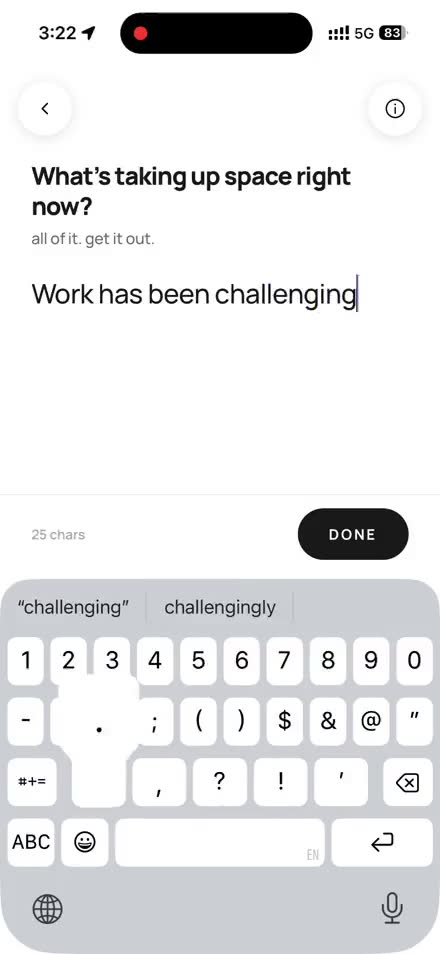
Small, steady, yours.
centered space is built for the everyday, not just the emergency: daily check-ins, a mood history, and a go-to tool you can return to on repeat.


Common questions
How long does it take for a coping skill to become a habit?
Longer than 21 days, that number is a myth. Research by Phillippa Lally found it takes about 66 days on average for a behavior to feel automatic, and anywhere from ~18 to 254 days depending on the person and the habit. Judge yourself on months of showing up, not a few days.
What if I keep missing days?
Missing days is normal and doesn't undo your progress. Aim for "more days than not," not a perfect streak. A missed day only becomes a problem if you use it as a reason to quit. Treat it the way you'd treat a friend who slipped, with understanding, and a gentle "start again tomorrow."
Which coping skill is best?
The one you'll actually use. There's no one-size-fits-all in mental health, some tools click for you and some won't, and that's fine. Try a range, keep the two or three that genuinely help, and let the rest go.
Why do I give up entirely after missing just one day?
It's a common trap: since the streak already feels broken, the day feels ruined anyway, so you skip the next one too. One lapse gets treated as proof the whole effort has failed. The counter is to do the smallest possible version of the practice the moment you notice this thought, even thirty seconds breaks the "already ruined" logic before it takes hold.
Not medical advice. Everyday practices support wellbeing but aren't a substitute for professional care. If you're struggling, a therapist can help. In crisis, contact your local emergency number or a crisis line.
Sources
- Lally, P. et al. (2010). How are habits formed: Modelling habit formation in the real world. European Journal of Social Psychology (avg ~66 days; range ~18–254).
- Fogg, B. J.: Tiny Habits: anchoring a new habit to an existing routine.
- Neff, K.: self-compassion and behavior change (why self-criticism backfires).