Urges & cravings
Urge surfing: how to ride out a craving without giving in
An urge feels like it'll last forever unless you act on it. It won't. Urge surfing is a way to ride the wave until it breaks, without white-knuckling your way through.
The short answer
Urge surfing is a mindfulness technique for riding out a craving instead of fighting it. You picture the urge as a wave: name it, notice where you feel it in your body, and watch it rise and fall without acting on it. Most urges peak and pass within about 20–30 minutes.
What an urge really is
An urge (a craving, an impulse, a compulsion) is a wave, not a straight line. It builds, peaks, and falls, usually within about 20 to 30 minutes, often much sooner. In the moment it feels like it'll keep growing until you have no choice but to give in. That's the illusion. Left alone, an urge always crests and comes back down on its own.
Why fighting it makes it worse
White-knuckling, gritting your teeth and ordering yourself "don't think about it", tends to spike the tension and make the urge louder. Urge surfing does the opposite. The idea, which comes from psychologist Alan Marlatt's relapse-prevention work and is now a core distress-tolerance skill in DBT, is to stop fighting the wave and instead watch it: notice where it lives in your body, how it changes, and let it move through you without acting on it.
How to surf an urge
- Name it. "This is an urge. It's a wave. It will pass." Naming it shrinks it.
- Find it in your body. Where do you feel it? A tight chest, restless hands, a pull in your gut? Locate it.
- Watch, don't wrestle. Get curious about it instead of afraid of it. Notice it rise… and start to level off.
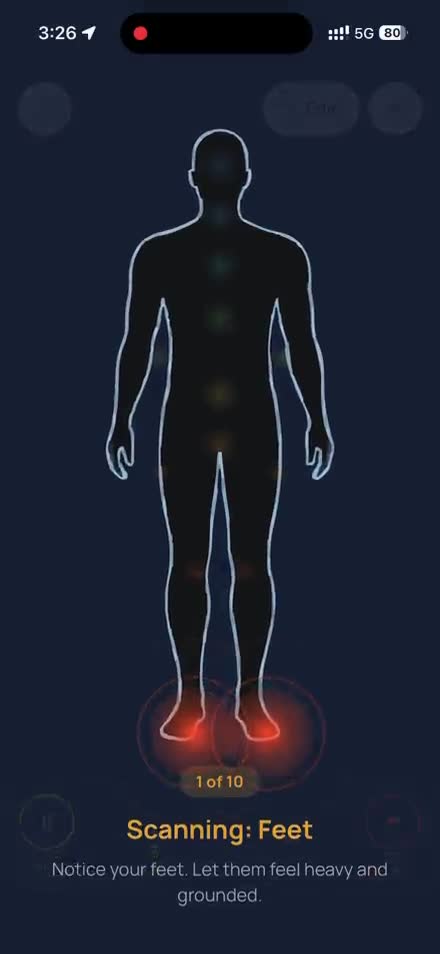
- Release the tension. Unclench your jaw and hands. A long exhale or a quick body scan takes the physical charge down.
- Redirect outward. Move your body, do something with your hands, or reach out to one person. Give the energy somewhere else to go.
- Ride it to shore. Stay with it as it crests. Notice the moment it starts to fade, because it will.
The thing to remember
Urges lie about their size. The one that feels completely unbearable is usually the one that's already cresting.
If this is about addiction or recovery
These tools can genuinely help you get through a single hard moment, and getting through the moment is real progress. But addiction is bigger than any app, and you shouldn't have to carry it alone. If you're in recovery or struggling with substances, please lean on real support alongside this: a counselor, a group, a trusted doctor.
Free and confidential
Most countries have a national addiction helpline that offers free, confidential treatment referral and information, any time.
At the absolute peak
If the wave gets to a point where surfing it calmly stops feeling possible, the goal changes from watching to just getting through the next few minutes. This is exactly what DBT's TIPP skills are built for: cold water on your face, intense movement for a few minutes, both work faster than any mindfulness technique because they change your body chemistry directly rather than asking you to stay present with something unbearable. Use them, then come back to surfing once the peak has genuinely passed.
If you don't ride it out
Sometimes the wave wins. That's real, and it doesn't erase the times it didn't. One slip is a moment, not a verdict on who you are or whether recovery is working, and what happens in the minutes right after matters more than the slip itself. Shame tends to make the next urge harder to surf, not easier, so the honest move is the same one that works for the urge itself: notice it without amplifying it, and get back to the next moment.
What rides underneath the urge
An urge rarely travels alone, it usually comes wrapped in negative thoughts ("I'll never beat this"), shame, and a pull to isolate. Those are worth untangling too: here's how to redirect, release, and reframe the thoughts, come back to your own worth and steady yourself with a mantra, and reach back toward the people who matter instead of pulling away.
Tools for this in the app
Something to do with your hands.
Urge Surf, themed card decks for cravings and hard emotions, and tools to release tension, for the moments that are hardest to sit with.


Common questions
What is urge surfing?
A mindfulness technique for riding out a craving instead of fighting it. You picture the urge as a wave that rises, peaks, and falls, and rather than resisting, you observe it with curiosity and let it pass. It comes from Alan Marlatt's relapse-prevention work.
How long does a craving or urge last?
An urge is a wave, not a straight line. Most peak and begin to fade within about 20–30 minutes, often sooner. It feels like it'll grow until you give in, but it always crests and comes back down on its own.
Does urge surfing work for addiction?
It's a core skill in mindfulness-based relapse prevention and can really help in individual moments, but it's a coping tool, not treatment for a substance use disorder. If you're in recovery, combine it with real support: a counselor, a group, or a doctor.
What if the urge feels too intense to surf calmly?
Switch from watching to distress-tolerance mode: cold water on your face or a few minutes of intense movement work faster than mindfulness because they change your body chemistry directly. Use them to get through the peak, then return to surfing once the intensity has genuinely dropped.
Not medical advice or treatment. This guide is general education and is not a substitute for professional care for a substance use disorder or any condition. If you're in crisis or thinking about harming yourself, contact your local emergency number or a crisis line now.