Mind & mood
The Choice Point
Every hard moment is secretly the same moment, over and over: a fork in the road. This is a simple way to see the fork before you're already down one path.
The short answer
The Choice Point is a tool from Acceptance and Commitment Therapy: when a hard thought or feeling shows up, you can get "hooked" and make an away move (something that pulls you from the life you want), or "unhook" and make a towards move (something that moves you toward it). The thought or feeling doesn't have to disappear first, you just have to notice the fork before you pick a direction.
The moment underneath every hard moment
Almost every difficult pattern, lashing out, numbing out, shutting down, avoiding, boils down to the same sequence: something difficult shows up (a thought, a feeling, an urge), and you react to get away from it. Developed by psychologist Russ Harris, the Choice Point is a way to see that sequence clearly, right as it's happening, so it stops being automatic.
Hooked vs. unhooked
Picture the moment as a fork. On one side is hooked: the thought or feeling has the wheel, and you make an "away move", something that pulls you further from who you want to be. Snapping at someone you love. Scrolling to numb out. Avoiding the hard conversation.
On the other side is unhooked: the thought or feeling is still there, it doesn't have to vanish, but it's no longer driving. From here you can make a "towards move," something small that moves you toward your values instead. A breath before you speak. Staying in the room. Reaching out instead of shutting down.
Unhooked doesn't mean unbothered. It means you got your hand back on the wheel.
How to use it, in the moment
- Notice you're at a fork. Something difficult just showed up. That's your cue, not a problem to solve yet, just a moment to notice.
- Name the hook. What's the thought or feeling pulling at you? Anger, shame, the urge to disappear? Naming it loosens its grip a little.
- Ask what an away move looks like right now. Be honest. What would you do on autopilot?
- Ask what a towards move looks like instead. It doesn't have to be big. One breath. One kind sentence. Staying five more seconds.
- Choose the small towards move. That's it. You don't have to fix the whole moment, just this one choice.
You won't always catch it
Some days you'll notice the fork after you've already gone down the away path. That's not failure, that's the practice. Each time you catch it even a little sooner, the fork gets easier to see.
What a towards move can look like
It helps to have a few ready before you need them. Some that pair naturally with a Choice Point moment:
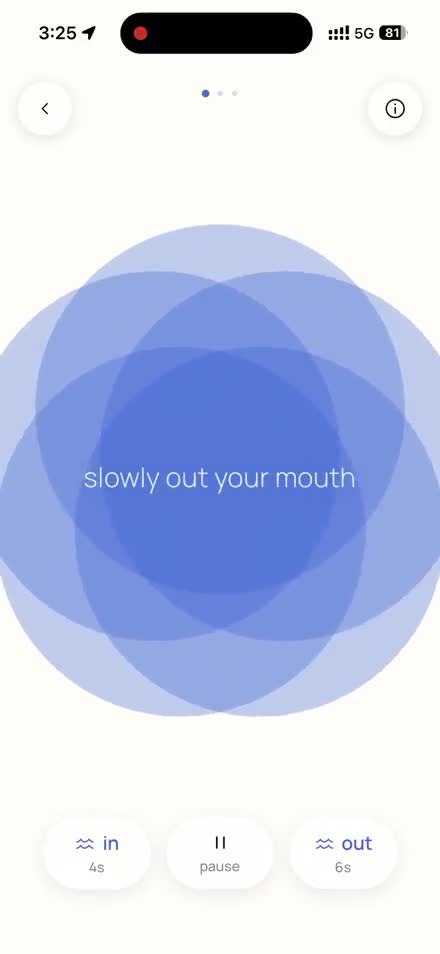
- A physiological sigh or a few seconds of grounding, to unhook the body first.
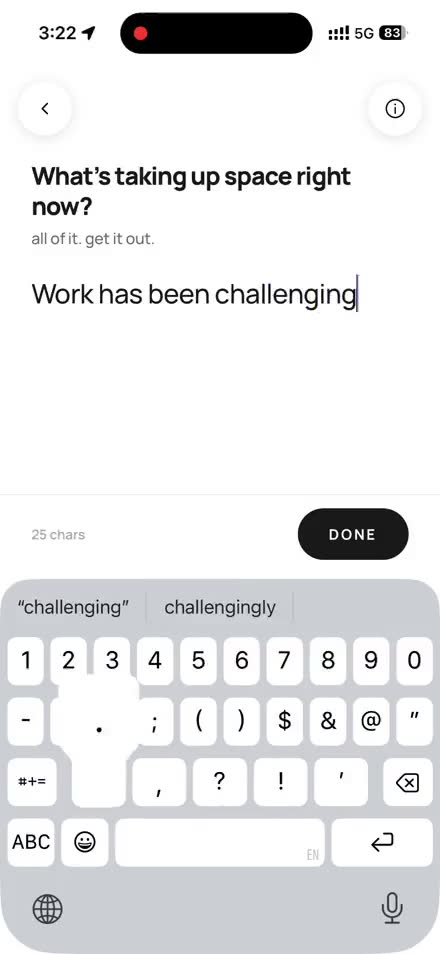
- Getting the hooked thought out of your head with a brain dump.
- Reaching toward someone instead of pulling away, see reconnecting with people.
- A mantra you already trust, see calming mantras.
Away moves that don't look like away moves
The obvious ones, lashing out, substance use, are easy to spot after the fact. The quieter ones are harder to catch because they don't feel like reactions, they feel like reasonable choices in the moment: over-explaining yourself, agreeing to something you don't want to do just to end an uncomfortable conversation, going quiet instead of saying what's actually wrong, staying unnecessarily busy so there's no room to feel anything, reaching for your phone the instant a hard feeling shows up. None of these look dramatic. All of them are the thought or feeling driving.
When you're hooked and can't seem to unhook
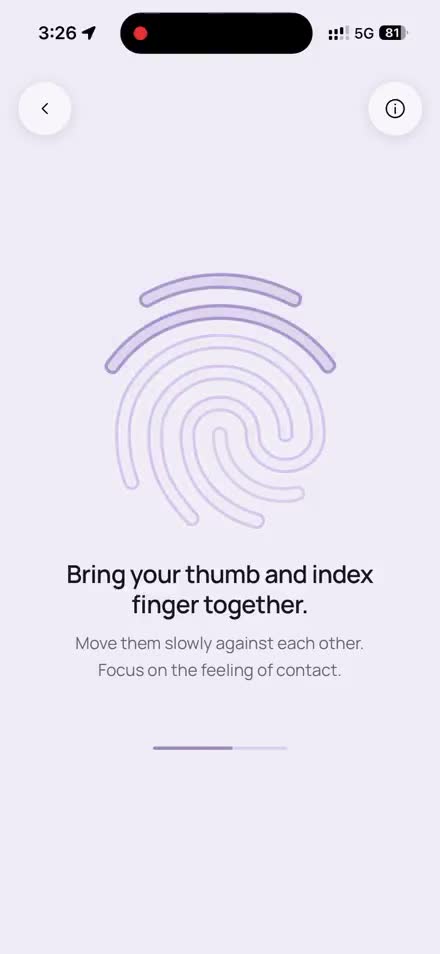
Sometimes naming the fork isn't enough, the hook is strong and you know exactly what's happening and still can't get your hand back on the wheel. That's not a sign the tool has failed. Unhooking usually needs the body's help first, a thought this intense often can't be out-thought. Something physical, cold water, movement, a long exhale, tends to loosen the grip enough that the Choice Point becomes usable again. Think of it as two separate steps rather than one: settle the body, then choose the move.
Tools for this in the app
Catch the fork sooner.
centered space's tools are built for exactly this moment, small, fast ways to unhook and choose your next move.


Common questions
What is the Choice Point in therapy?
A visual tool from Acceptance and Commitment Therapy (ACT), developed by psychologist Russ Harris. It maps a moment of difficulty as a fork: get "hooked" by a hard thought or feeling and make an "away move" (pulling you from the life you want), or "unhook" and make a "towards move" (moving you toward your values).
What does it mean to be "hooked"?
A thought or feeling has taken the wheel, you react automatically instead of choosing. Being "unhooked" doesn't mean the thought or feeling disappears; it means it no longer controls what you do next.
What's the difference between an away move and a towards move?
An away move pulls you from the person you want to be, avoiding, numbing, lashing out, isolating. A towards move is anything, even small, that moves you toward your values, a breath, a kind word, reaching out, staying in the room.
What if I know I'm hooked but can't unhook?
That's not a sign the tool has failed, it usually means the body needs help before the mind can choose. Something physical, cold water, movement, a long exhale, tends to loosen the grip enough that the Choice Point becomes usable again. Settle the body first, then choose the move.
Not medical advice. This is general education, not therapy. If you're in crisis or thinking about harming yourself, contact your local emergency number or a crisis line now.
Sources
- Harris, R.: ACT Made Simple; the Choice Point model (developed with Ann Bailey).
- Villatte, M. et al. (2021). The Choice Point model with inpatient substance use populations: a pilot study. Journal of Contextual Behavioral Science.